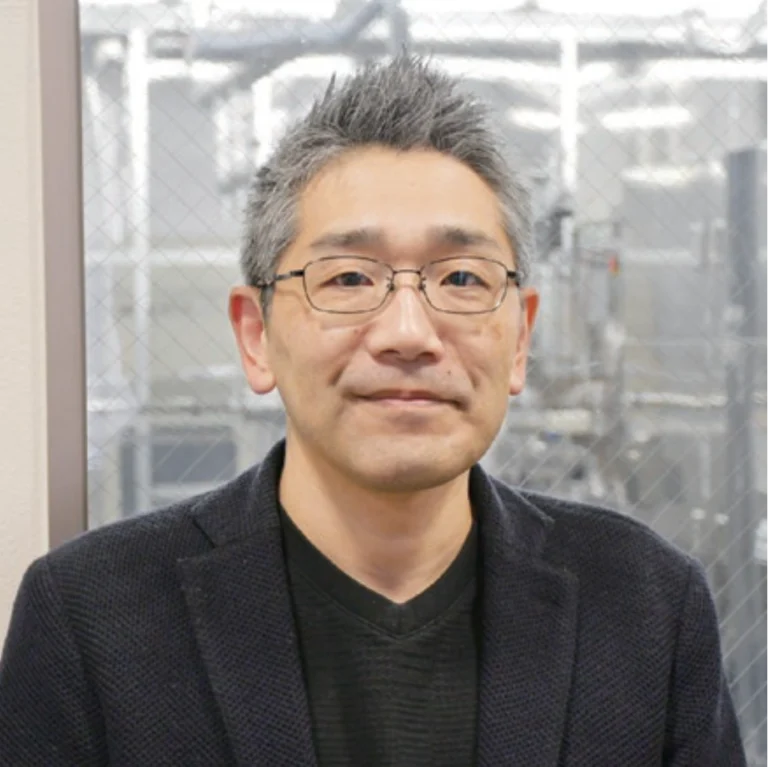
Professor Mikihiko Oogane
Department of Applied Physics, Graduate School of Engineering, Tohoku University
For this interview, we visited Tohoku University’s Aobayama Campus to speak with Professor Mikihiko Oogane about his research on high-sensitivity magnetic sensing and magnetic materials based on quantum spintronics technology.
Brief History
1994
Entered the School of Engineering, Tohoku University
1997
Joined the laboratory of Professor Terunobu Miyazaki, Department of Applied Physics, Tohoku University
2003
Ph.D. in Engineering, Graduate School of Engineering, Tohoku University
2004
Research Associate, Graduate School of Engineering, Tohoku University
2007
Assistant Professor, Graduate School of Engineering, Tohoku University
2010
Associate Professor, Graduate School of Engineering, Tohoku University
April 2022–Present
Professor, Graduate School of Engineering, Tohoku University
Could you tell us about your current research?
Our laboratory aims to create groundbreaking materials and devices by leveraging quantum spintronics technology. Under the motto “Seeing the brain through spin,” we are working toward the realization of a brain–information interface that can be used by anyone, anytime, anywhere—an essential platform for the next digital revolution. At the center of my current research is the development of ultra-high-sensitivity magnetic sensors based on the quantum tunnel magnetoresistance effect, commonly known as TMR (Tunnel Magnetoresistance).
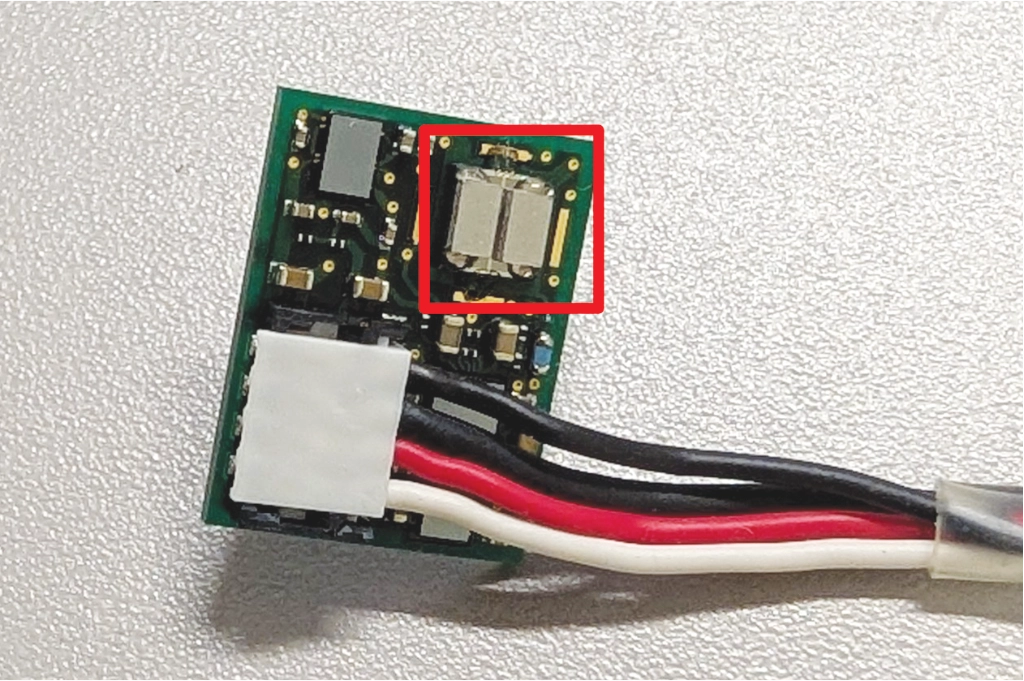
The TMR effect occurs in a structure where an extremely thin insulating layer, on the order of nanometers, is sandwiched between two ferromagnetic layers. Depending on whether the magnetizations of these layers are aligned parallel or antiparallel, the electrical resistance of the device changes significantly. The resistance is low when the magnetizations are parallel and high when antiparallel. By utilizing this property, it becomes possible to detect extremely weak magnetic fields. The TMR sensors we have developed integrate this function into a small silver-colored chip, approximately 3 mm on each side. Because of their high sensitivity, they respond even to subtle magnetic fields generated by devices such as smartphones or cameras.
We are accelerating efforts to apply this technology in the medical field, particularly in magnetocardiography (MCG), which measures magnetic fields generated by the heart, and magnetoencephalography (MEG), which measures magnetic fields produced by brain activity. Magnetic signals emitted by the human body are extraordinarily weak. While the Earth’s magnetic field is approximately 50 microtesla, biological magnetic signals are more than one million times smaller, and in some cases reach the picotesla to femtotesla range, corresponding to one hundred-millionth or even smaller fractions of the geomagnetic field.
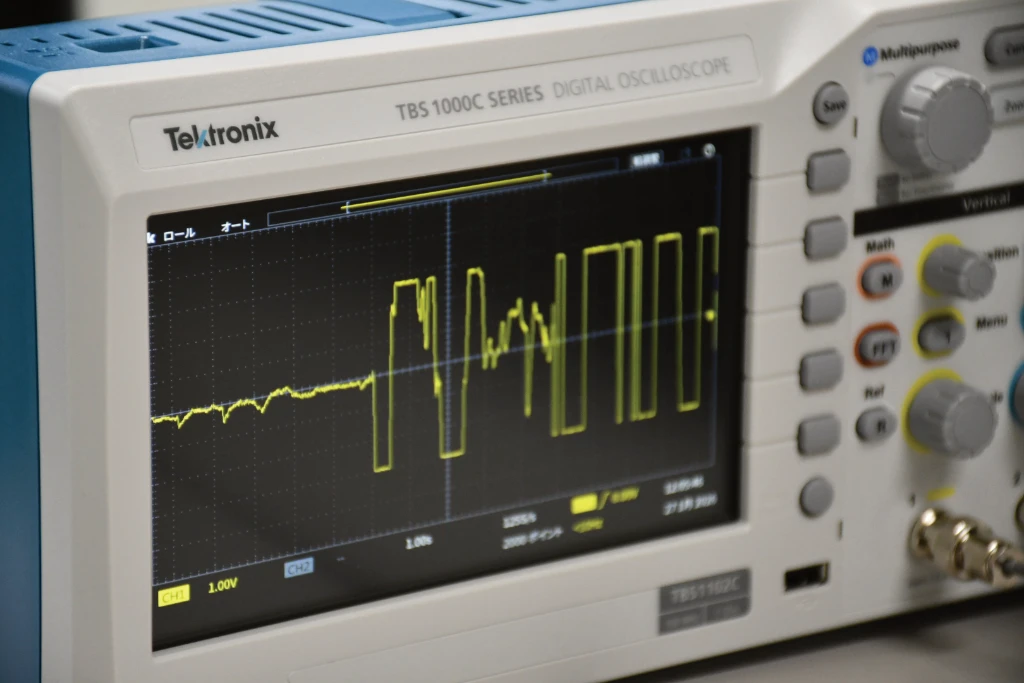
Until now, only superconducting devices known as SQUIDs (Superconducting Quantum Interference Devices) have been capable of detecting signals at this level. However, SQUID systems require cooling to cryogenic temperatures using liquid helium, making them large, expensive, and dependent on specialized facilities—factors that limit widespread adoption. Our goal is to achieve performance comparable to superconducting devices using TMR sensors that operate at room temperature.
A major feature of our sensors is device integration. We fabricate microscopic sensing devices, too small to see individually, and connect them in arrays of 100, 1,000, or even 10,000 devices within a single chip. This approach follows the principle of statistical averaging: increasing the number of devices reduces noise in proportion to the square root of the number of devices. By connecting 10,000 devices, noise can theoretically be reduced by a factor of 100, dramatically lowering the detectable magnetic field threshold. Through advanced microfabrication techniques, we have achieved world-leading sensitivity in the range of several hundred femtotesla.
What led you to this field of research?
My path into this research field was actually quite accidental. As a student at Tohoku University, I originally hoped to study optics. However, when laboratory assignments were made in my fourth year, the lab I preferred was extremely competitive, and I was not admitted. I was instead assigned, almost by process of elimination, to the laboratory of Professor Terunobu Miyazaki, who had just discovered the giant room-temperature TMR effect and was attracting worldwide attention. There, I was given TMR as my undergraduate research theme. That was the beginning of my research career.
Looking back, I could not have been more fortunate. I had the opportunity to learn under Professor Miyazaki, and later continued the research direction proposed by Professor Yasuo Ando, who advocated applying TMR to ultra-high-sensitivity magnetic sensors. I have now been engaged in this field for nearly 30 years.
The TMR effect remains scientifically fascinating, with many aspects still not fully understood from a physics standpoint. At the same time, it has demonstrated enormous engineering value, having already been implemented in hard disk drive heads. Few phenomena possess both such scientific depth and such practical impact. Even after decades, I never tire of studying it.
What are your thoughts on the future of this research field?
Looking ahead, under Japan’s Strategic Innovation Promotion Program (SIP) running through 2027, we aim to improve sensor performance by an additional order of magnitude and achieve real-time detection at the 10 femtotesla level. If realized, this would make it possible to read brain information in real time and connect it to computers or robots—forming what is known as an Internet of Brains (IoB) system.
We are committed to non-invasive approaches, reading brain signals from outside the head without inserting electrodes. We envision creating a society in which people can move and control things as they wish across a wide range of fields: from enabling individuals with limited mobility to communicate their intentions, to applications in gaming and entertainment, and even remote industrial operations. By the 2040s, wearable devices capable of measuring brain information are expected to become commonplace. The potential impact extends far beyond medicine. It is estimated that more than one billion patients worldwide could benefit medically, and related industries may reach a scale of approximately six trillion yen.
Another major initiative is the development of ultra-compact MRI (Magnetic Resonance Imaging) systems. Conventional MRI systems are extremely large and require dedicated hospital facilities. By leveraging our high-sensitivity sensor technology, we aim to reduce MRI systems to desktop size. At the 2025 Osaka–Kansai Expo, we exhibited a tabletop “Spin-MRI” system capable of monitoring a hand- or foot-sized region in approximately one minute. Future applications may include installation in ambulances, home use, and even food inspection. While spatial resolution does not yet match that of large-scale systems, the ability to perform immediate diagnosis at the point of need offers substantial value for the future of healthcare.
You’ve used several of Samco’s systems in your lab. Could you share your experience?
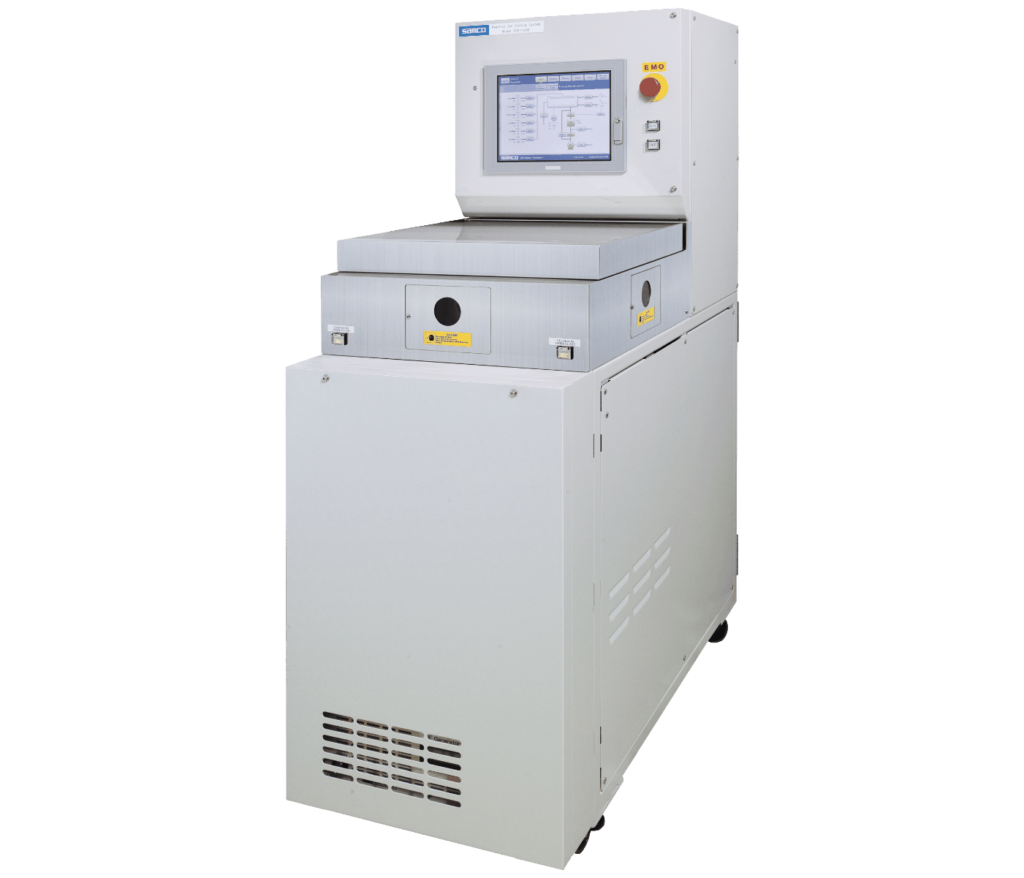
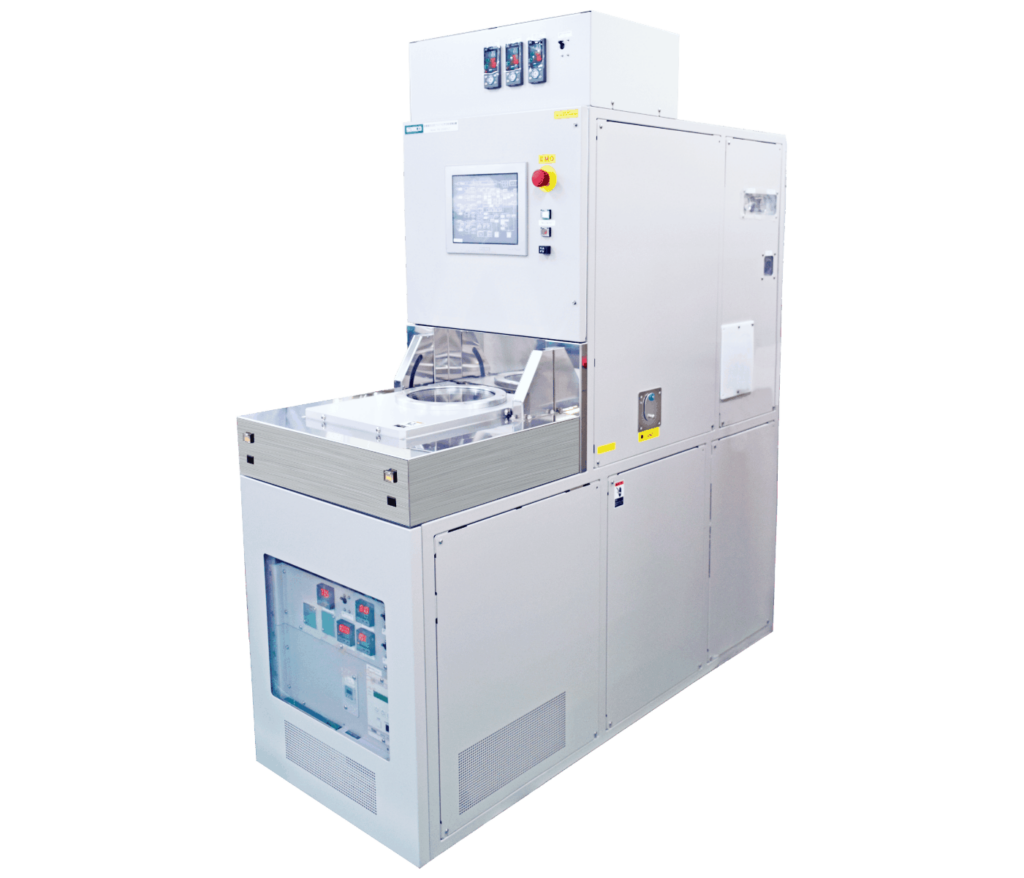
Samco’s equipment plays an essential role in our research processes. Our devices are constructed by stacking multiple nanometer-scale ultra-thin films. The reliability of these structures depends heavily on the formation of high-quality interlayer SiO₂ insulating films. Previously, we relied entirely on sputtering, but this resulted in insufficient insulation and short-circuit defects. After introducing the plasma CVD system “PD-100ST,” we have been able to form high-quality SiO₂ films with excellent stability, and device yield has improved dramatically. The elimination of short-circuit defects has enabled us to reliably integrate as many as 10,000 devices.
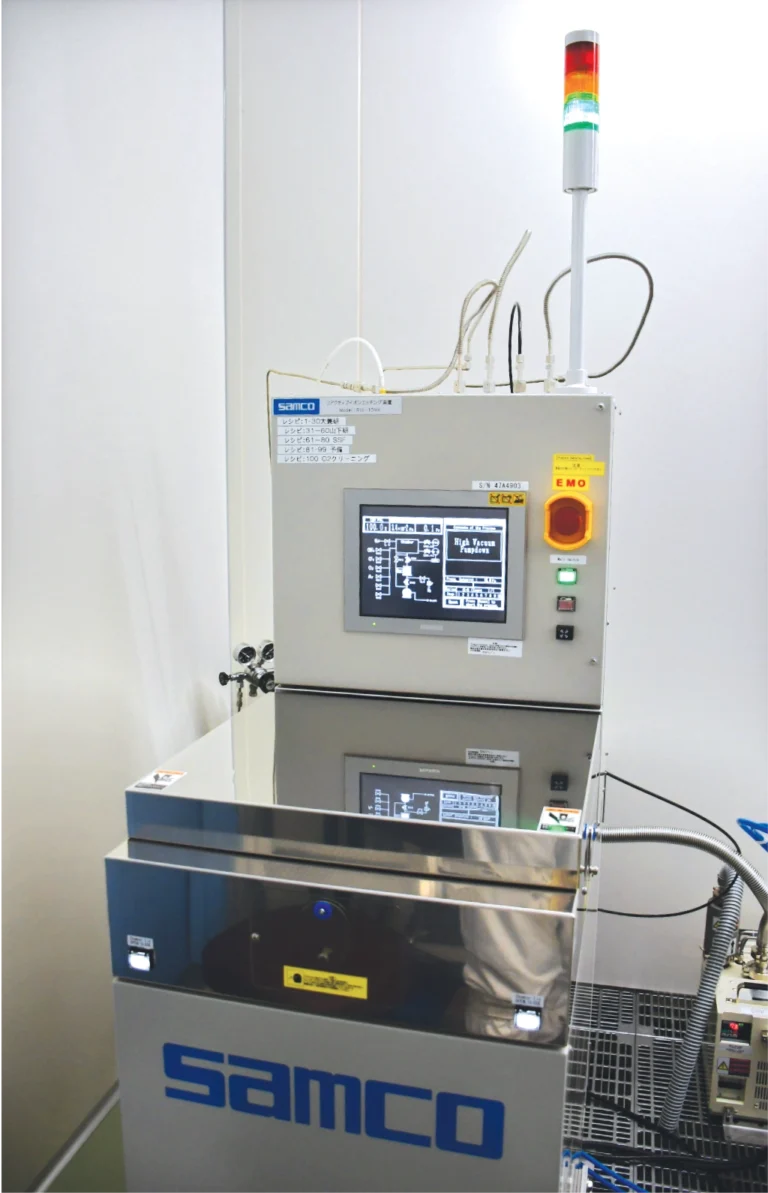
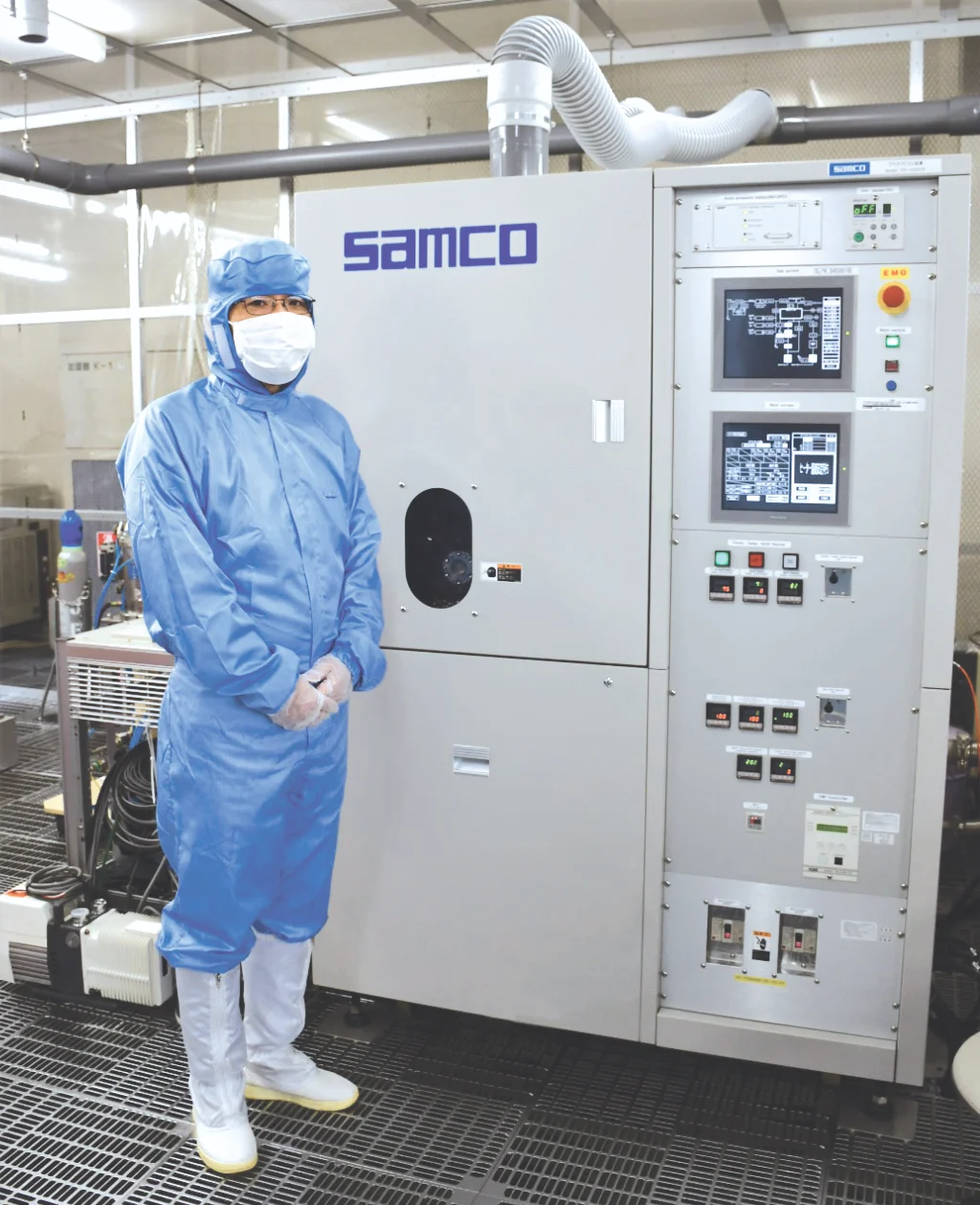
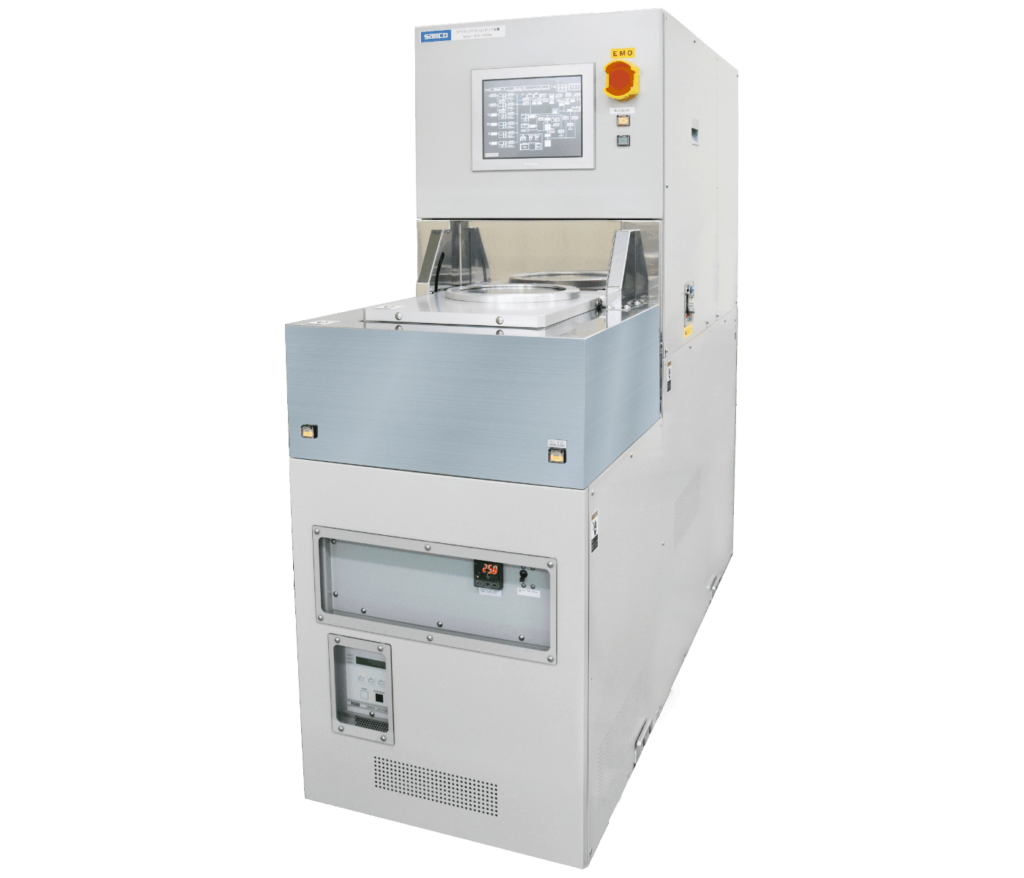
More recently, we introduced the parallel-plate RIE system “RIE-10NR” for opening contact holes between electrodes and sensing devices. To reduce sensor noise, impurity-free metal contact is essential, which requires completely removing insulating films deposited by CVD. We expect the RIE-10NR to fulfill this role.
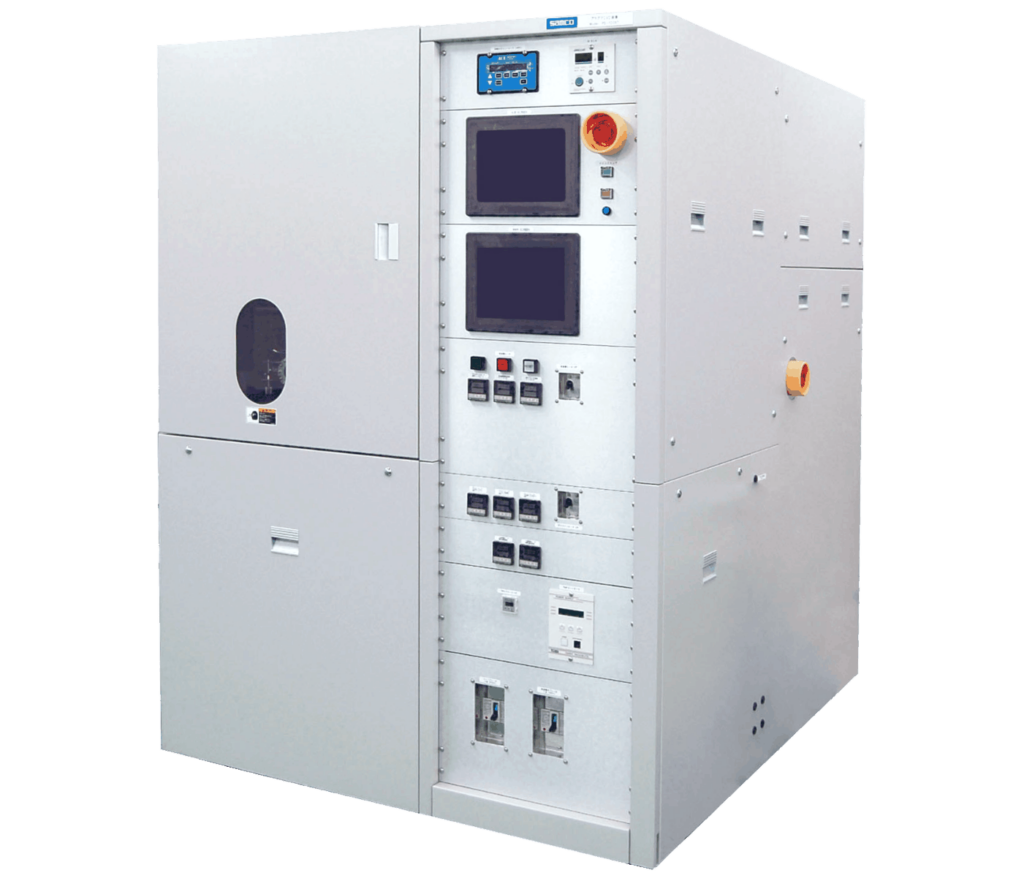
Samco’s systems are highly reliable, with minimal breakdowns and stable process conditions. For a laboratory like ours, where meticulous experiments are repeated daily, this reliability is invaluable. From a manufacturer’s perspective, maintenance services may be part of the business model, but from a user’s perspective, durability is the greatest value. Samco’s equipment supports our research from the ground up through its stability and reliability.
What do you keep in mind in your research?
I constantly strive to avoid falling into a rut. After working on the same theme for 30 years, it is easy for ideas to become fixed. To continue progressing, we must continuously incorporate new technologies and perspectives from other fields.
Regarding student guidance, I respect their autonomy above all else. The students who come to Tohoku University are exceptionally talented. When faculty avoid unnecessary interference, they grow freely and often at remarkable speed. In my laboratory, students are encouraged to propose their own research themes and make their own decisions. The fact that many doctoral students choose to join my lab may reflect their enjoyment of identifying and solving problems independently.
How do you spend your days off?
Since I immerse myself in research during the week, I make a point to refresh myself on weekends. Lately, I have been going to the pool with my kids. Swimming, which exercises the whole body, is very beneficial for maintaining health, and in the water, I can forget about research and clear my mind. I also value relaxing time spent watching international TV dramas on streaming services. I do not have a particularly distinctive hobby, but maintaining a clear distinction between work and rest is, I believe, the key to sustaining a long research career.
If I had to name one interest, it would be exploring the roots of things. I frequently read books on Japanese history, especially the ancient period surrounding the formation of the Yamato court, which still contains many mysteries. Tracing how this country was formed and considering the origins of its culture provides an absorbing and refreshing intellectual escape.
Do you have any final thoughts?
I see Samco as a reliable manufacturer that clearly defines its areas of technical expertise and consistently delivers high-quality products within those domains. We, too, steadily build our technology step by step, pursuing diligent research—what I sometimes refer to as an “agricultural” mindset. I sense a similar spirit in your approach to manufacturing.
Samco’s sales representatives don’t just visit when we have a budget; they make frequent, regular visits, showing genuine concern for the condition of our equipment and any issues we face. This sincere approach builds significant trust and reassurance when we consider introducing new equipment. While technical capability is essential, we also deeply value this trust-based relationship. I hope Samco will continue to provide durable equipment that researchers can rely on with confidence, and maintain long-term support even for older systems.
Thank you for taking the time out of your busy schedule to speak with us.
Interview conducted: January 27, 2026